






Federal authorities have arrested more than two dozen non-U.S. citizens in California in a sweeping election enforcement operation, escalating an already explosive battle over voter eligibility just two weeks before the 2026 midterm elections.
The arrests, carried out Monday, October 19, are part of a federal initiative called Operation Protect the Vote, targeting individuals accused of illegally registering to vote and participating in American elections.
According to the Associated Press, the Justice Department identified those arrested as lawful permanent residents who were not U.S. citizens. Federal charges include submitting fraudulent voter registrations and making false statements on naturalization applications. AP News
The arrests come as President Donald Trump’s administration intensifies its efforts to investigate potential noncitizen voting, a controversial issue that has become a major political flashpoint ahead of the November 3 elections.
But the operation raises a question that goes beyond the individuals arrested:
If noncitizens are making it onto voter rolls, how reliable are the systems supposed to prevent it?
DOJ Says More Than 20,000 California Voter Registrations Raise Concerns
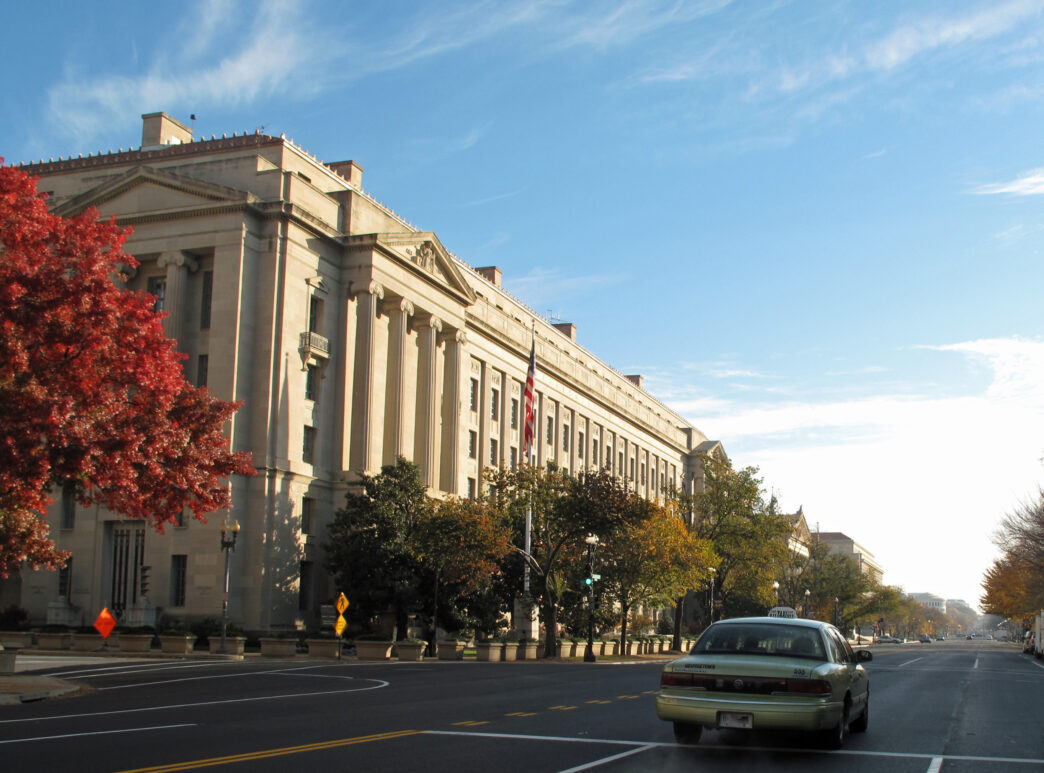
The latest arrests come just four days after the Justice Department filed a federal lawsuit against California, alleging that more than 20,000 individuals identified as likely noncitizens were registered to vote.
In its October 15 announcement, the Justice Department said federal investigators had analyzed publicly available voter-registration information and compared relevant records with immigration data.
The federal government claims it identified thousands of people potentially ineligible to vote who had been mailed ballots for the upcoming election.
California automatically mails ballots to registered voters, making the accuracy of its voter-registration records particularly important.
Attorney General Todd Blanche defended the federal government’s intervention, stating:
“State-facilitated voter fraud is unacceptable in the United States of America.”
The Justice Department is asking a federal court to prevent California from counting mail ballots associated with the flagged registrations until officials verify whether the individuals are legally eligible to vote. United States Department of Justice
There is, however, an important distinction: The federal government’s list of more than 20,000 suspected noncitizens is an allegation, not a verified count of illegal voters.
California election officials dispute the government’s claims and argue that federal authorities have not presented sufficient evidence to justify the requested action.
The arrests announced Monday also do not establish that all 20,000 flagged registrations are unlawful.
Federal Officials Warn California Election Workers
The confrontation has expanded beyond voter rolls and into the responsibilities of election officials themselves.
On October 16, the Justice Department warned California election officials that knowingly processing or counting ballots submitted by noncitizens could expose them to federal investigation and prosecution.
The warning placed additional pressure on officials responsible for administering the approaching election.
Los Angeles County Registrar Dean Logan pushed back, saying his office remains focused on conducting a fair and secure election.
Logan also disputed the federal government’s assertions and argued that the eligibility questions should be resolved through the courts.
The result is an increasingly contentious standoff between federal authorities demanding stronger verification and California officials questioning the government’s evidence and legal approach.
Is Noncitizen Voting Really as Rare as Officials Claim?
For years, election-integrity advocates have argued that voter-registration systems need stronger safeguards to prevent ineligible individuals from participating in federal elections.
Their critics have responded that widespread noncitizen voting is unsupported by available evidence.
Both claims deserve careful examination.
Federal law already prohibits noncitizens from voting in federal elections. The central dispute concerns how frequently violations occur and whether existing systems are sufficient to identify them.
In September, Homeland Security Investigations reported that approximately 1,600 voter-fraud investigations had resulted in 160 arrests as part of the administration’s broader enforcement initiative.
Those figures are small relative to the hundreds of millions of registered American voters, and available evidence has not established that noncitizen voting has changed the outcome of a federal election. AP News
That context matters.
But so does the fact that federal investigators have identified individuals they believe violated election laws.
The California operation demonstrates that suspected violations are being investigated and prosecuted. It does not, by itself, prove a widespread or coordinated scheme.
For voters, the relevant question is not simply whether illegal voting is widespread.
It is whether authorities can identify genuine violations while protecting eligible citizens from being incorrectly removed from voter rolls or having their ballots rejected.
Both failures can damage public confidence.
Why This Matters Before November 3
California may be a reliably Democratic state in presidential elections, but several competitive congressional districts could play an important role in determining which party controls the House of Representatives.
With Republicans defending their narrow congressional majority, even relatively small shifts in closely contested races could have significant political consequences.
That makes the confrontation between Washington and Sacramento especially sensitive.
The Trump administration argues that stronger enforcement protects the voting rights of American citizens.
California officials and voting-rights advocates warn that unreliable citizenship data and aggressive last-minute legal demands could threaten the ballots of eligible voters.
Neither side’s assertions resolve the underlying factual questions.
How many of the people identified by federal investigators are actually ineligible? How many, if any, cast unlawful ballots? And can the state and federal government resolve the dispute without interfering with legitimate votes?
Those answers matter more than political talking points.
For now, more than two dozen arrests are confirmed, federal criminal allegations remain to be adjudicated, and the dispute over thousands of California voter registrations is headed through the courts.
With Election Day approaching on November 3, the immediate question is whether the courts will intervene before ballots are counted—and what the evidence will ultimately show.California noncitizen voter arrests