

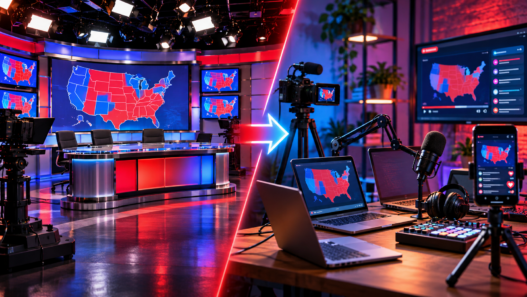



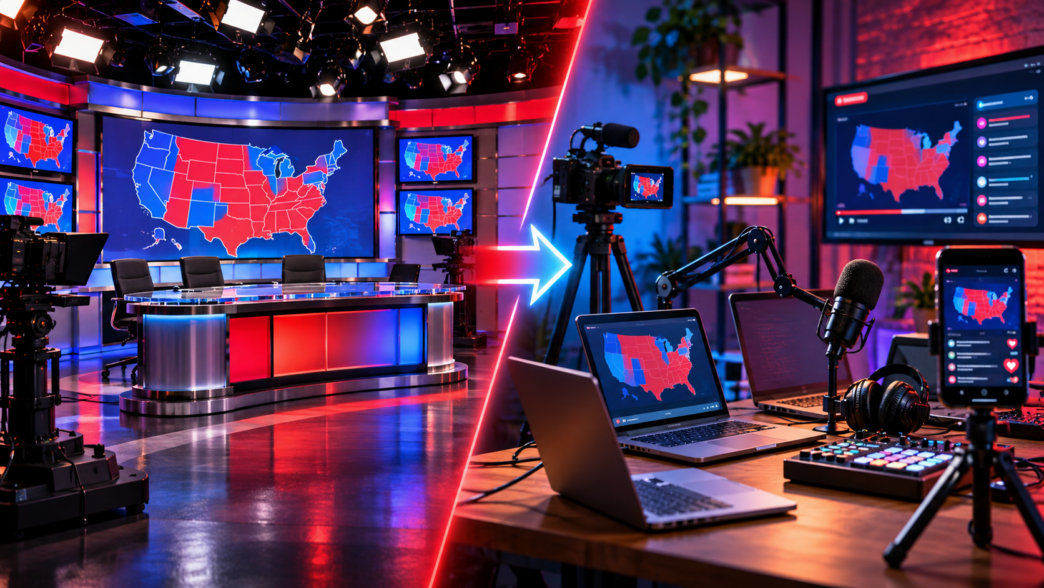
For decades, cable news dominated election night in America.
Millions of Americans turned to CNN, Fox News, NBC and ABC to follow the results. Network anchors controlled the coverage, political analysts explained the numbers, and television studios became the center of the national conversation.
But the 2026 midterms could challenge that tradition.
On Tuesday, November 3, independent journalists and digital creators will compete directly with some of America’s biggest news networks.
And the most surprising part? Several of the journalists leading this challenge once worked for those same networks.
As The Guardian reported on November 2, the upcoming election is becoming a major test of whether independent digital personalities can attract audiences away from traditional television coverage.
The battle for Congress is also becoming a battle for America’s attention.
Former CNN Stars Are Challenging the Old System
Former CNN anchor Jim Acosta is preparing an independent election-night broadcast alongside veteran journalist Katie Couric.
Instead of appearing on a traditional television network, their program will stream through YouTube and Substack.
Acosta spent nearly 18 years at CNN. Now, he will compete for viewers against the network that helped establish his national profile.
Meanwhile, former NBC political director Chuck Todd and former CNN analyst Chris Cillizza are joining Decision Desk HQ for another digital election broadcast.
Other online media organizations are entering the competition as well.
Piers Morgan’s Uncensored operation and the progressive MeidasTouch network are among those preparing election-night coverage.
According to The Guardian’s reporting on independent election broadcasts, this growing competition reflects a larger change in how Americans consume political news.
Traditional networks are no longer the only organizations capable of attracting national audiences.
And that could have major consequences for the future of political journalism.
Americans Are Turning Away From Traditional Television
The numbers explain why independent media is gaining ground.
According to Pew Research Center’s latest news platform research, television is now the preferred news platform for just 28% of American adults.
In 2025, that number stood at 34%.
Meanwhile, the share of Americans who prefer getting news through social media increased from 14% to 19%.
That is a significant change in just one year.
YouTube has also become an increasingly important source of information.
Pew Research Center found that 34% of American adults regularly get news through YouTube.
For independent journalists, these changing habits create an enormous opportunity.
A political commentator no longer needs a television contract or expensive studio to reach viewers across the country.
Instead, creators can build audiences directly through livestreams, podcasts and digital platforms.
However, growing digital audiences do not automatically mean traditional networks have lost their influence.
The real test will be whether independent broadcasters can turn online popularity into sustained election-night viewership.
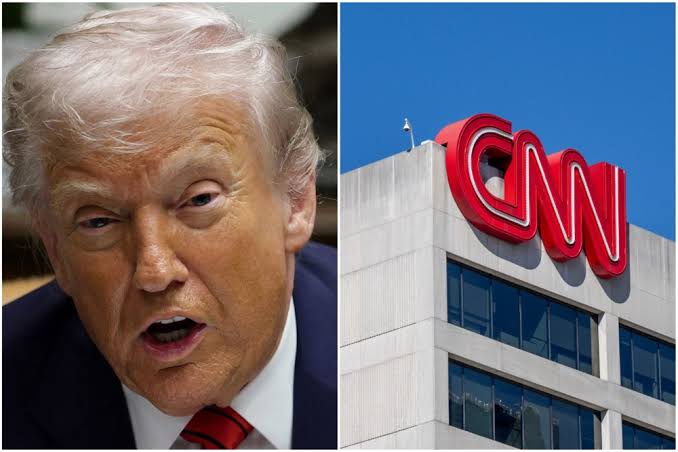
CNN and NBC Are Already Fighting for Digital Viewers
Traditional media companies are not ignoring the competition.
In fact, their own election-night plans reveal just how much the industry is changing.
According to CNN’s official election coverage announcement, the network will expand its programming across television, mobile apps, streaming services and social media.
CNN is also introducing new digital election tools to help viewers follow results across the country.
Additionally, its election-night programming will include content on YouTube and TikTok.
NBC is taking a similar approach.
The network has announced 13 hours of continuous midterm election coverage.
However, NBC is not relying on television alone.
Its coverage will also appear through Peacock, YouTube and other digital platforms.
The network’s popular Kornacki Cam livestream is another example of how traditional broadcasters are adapting to online audiences.
That raises an obvious question.
If the biggest networks are investing heavily in the same platforms used by independent creators, is traditional television losing its position as the default destination for political news?
Independent Media Has an Opportunity — and a Credibility Test
The rise of independent election coverage creates new opportunities for Americans who want alternatives to traditional broadcasting.
Instead of relying entirely on network anchors, viewers can follow independent journalists, specialized political analysts and commentators with different perspectives.
For audiences skeptical of establishment media, that choice matters.
Independent journalists can also spend more time examining individual races and controversies that national networks may overlook.
However, independence alone does not guarantee better reporting.
Election results require accurate data, careful verification and responsible projections.
A livestream with thousands of viewers is not automatically a trustworthy source.
Traditional networks still maintain significant reporting operations and experienced election decision desks.
Independent journalists who want to challenge those institutions must demonstrate that they can provide reliable information alongside compelling commentary.
Otherwise, they risk reproducing the same credibility problems they criticize.
Election Night Could Become a Turning Point for the Media
The November 3 midterms will determine far more than which candidates win their races.
They will also provide an important test of how Americans prefer to follow major political events.
Traditional television networks will continue to attract large audiences.
However, YouTube streams, independent news broadcasts and digital platforms will compete for many of those same viewers.
The result could reveal whether Americans are gradually moving away from the traditional election-night experience.
And the implications extend beyond this year’s congressional elections.
If independent broadcasters demonstrate that they can attract substantial audiences, future presidential campaigns could face a very different media environment.
Candidates may increasingly seek interviews with independent creators. Political organizations may redirect advertising toward digital platforms. Meanwhile, traditional networks could face additional pressure to change their programming.
None of those outcomes is guaranteed.
But one thing is already clear: cable news no longer competes only with other cable news networks.
It competes with an expanding digital media industry that allows journalists and creators to reach audiences directly.
On November 3, Americans will choose their representatives in Washington.
At the same time, their viewing habits could send another message.
The future of election-night coverage may no longer belong exclusively to television’s biggest names.