







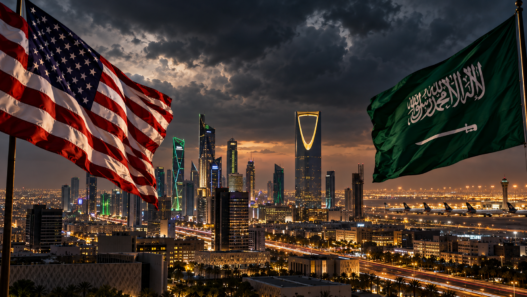
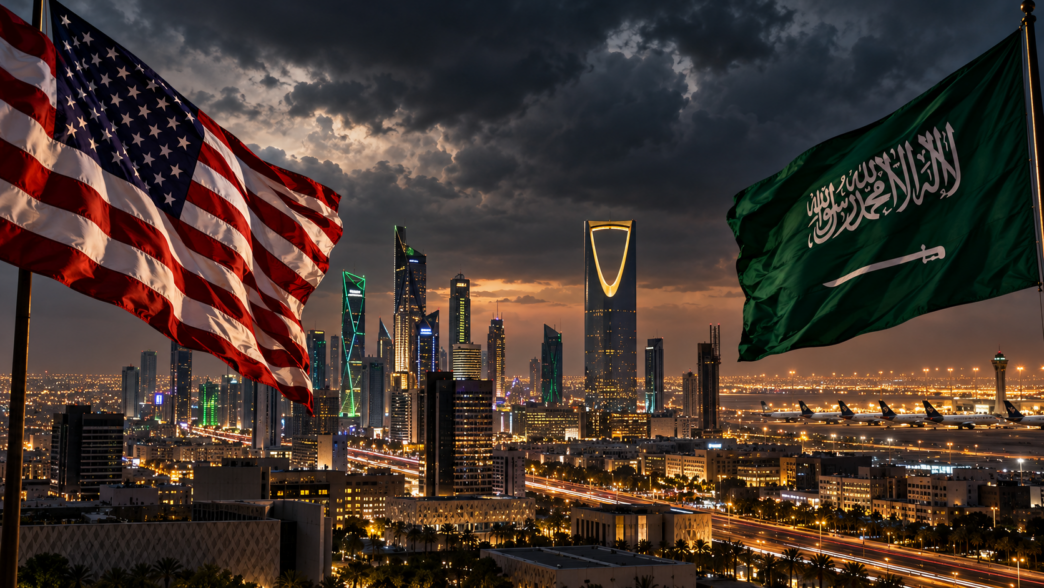
The United States is pulling non-emergency government personnel and their families out of Saudi Arabia as a new wave of Houthi missile and drone attacks pushes one of Washington’s most important Middle Eastern partners deeper into a widening regional conflict.
The State Department issued an ordered departure for non-emergency U.S. government employees and their family members on Wednesday, October 21, following attacks on Saudi airports, energy infrastructure and other strategic sites.
That distinction matters: Washington has not announced a complete evacuation of its Saudi mission, despite broader reports and speculation about diplomatic withdrawals across the Gulf. State Department spokesperson Tommy Pigott said the ordered departure applies to Saudi Arabia, while other U.S. posts in the region have made temporary staffing adjustments.
Still, ordering American personnel out is hardly routine — and the reason given by Washington is even more significant.
The State Department warned that Iranian-supported Houthis have intensified hostilities against Saudi Arabia, including attacks on civilian airports and critical infrastructure that have caused casualties and major travel disruptions. Officials warned that the situation could escalate rapidly.
Saudi Arabia Is Back Under Fire
For years, the uneasy reduction in fighting between Saudi Arabia and Yemen’s Houthis offered at least some breathing room after one of the region’s most destructive conflicts.
That relative calm is now unraveling.
Recent fighting has included attacks on Saudi airports and oil infrastructure as Saudi-backed forces battle the Houthis, who are aligned with Iran.
On Wednesday, an attack on King Fahd International Airport near Dammam killed two people and wounded eight others, according to Saudi authorities. Reuters reported that Saudi Aramco subsequently instructed employees at its headquarters in nearby Dhahran to evacuate the building and work remotely.
Saudi officials also said debris from an intercepted drone targeting the Shaybah oil field killed two people and injured two others.
The Houthis have also claimed attacks against additional Saudi government and energy targets. Some of those claims have not been independently confirmed by Saudi authorities.
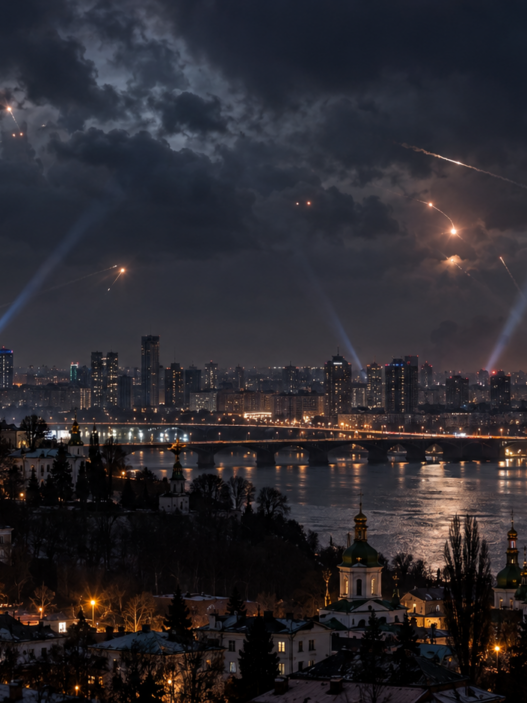
Saudi forces, meanwhile, say they have intercepted multiple drones and missiles and have carried out strikes against Houthi missile-launching sites.
In other words, this is no longer just another distant chapter of Yemen’s civil war.
The confrontation is again moving directly onto Saudi territory.
Airports Have Become a Major Vulnerability
Perhaps the clearest warning sign is what is happening to air travel.
Riyadh’s King Khalid International Airport has repeatedly been targeted, and U.S. government employees in Saudi Arabia now require special authorization to use Saudi airports. Major international airlines have also canceled or reduced service amid the instability.
The State Department currently lists Saudi Arabia at Level 3: Reconsider Travel, citing the risk of drone and missile attacks by Iran and Iranian-supported Houthis, armed conflict and terrorism, among other concerns.
That puts the diplomatic drawdown into perspective.
Washington is not merely responding to political rhetoric or hypothetical threats. Civilian airports, energy facilities and transportation networks are already being targeted.
The Oil Market Is Paying Attention
The attacks also threaten something far larger than Saudi Arabia’s security.
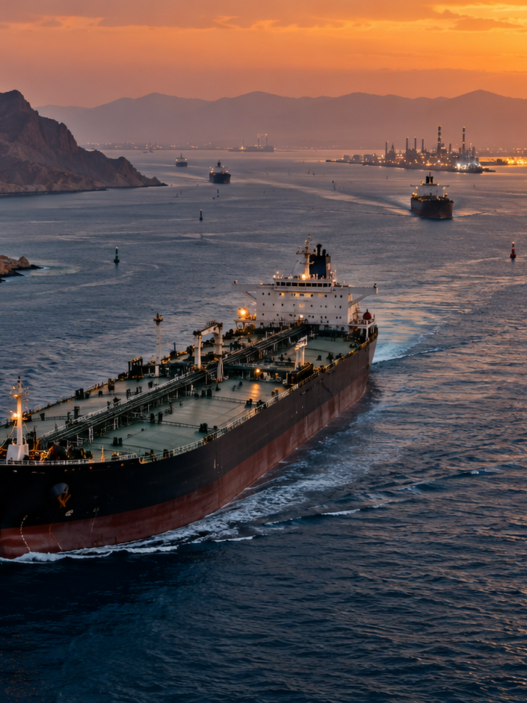
Saudi Arabia remains one of the world’s most important oil exporters, meaning instability around its energy infrastructure can quickly become an international economic story.
Reuters reported Thursday that Brent crude climbed above $111 per barrel as traders reacted to fears that escalating Middle East fighting could disrupt supplies. Saudi Arabia’s benchmark stock index also fell sharply amid the renewed hostilities.
That is the nightmare scenario hanging over this conflict: a regional military escalation colliding with the infrastructure that supplies a major share of the world’s energy.
And the danger does not stop at Saudi oil fields.
Fighting around Yemen and the nearby Bab el-Mandeb Strait, one of the world’s most strategically important shipping routes, adds another potential pressure point for global commerce.
Washington’s Next Move Could Matter More Than the Evacuation
The immediate story is the ordered departure.
The larger story is what comes next.
The Trump administration has so far stopped short of directly joining Saudi military operations against the Houthis, even as Washington continues its longstanding security relationship with Riyadh. CNN reported that the United States has increased intelligence and targeting support for Saudi Arabia while President Donald Trump has not approved direct U.S. strikes against the Houthis.
That leaves Washington facing an increasingly uncomfortable calculation.
If Houthi attacks continue hitting airports, energy infrastructure and other civilian targets inside Saudi Arabia, pressure could grow for additional U.S. involvement.
But deeper American involvement could also widen a conflict already tied to the broader confrontation involving Iran and its regional allies.
The diplomatic drawdown therefore matters for more than the diplomats leaving.
It is another signal that officials in Washington believe the security environment around Saudi Arabia could deteriorate further – and potentially fast.
For now, the order is limited to non-emergency personnel and their families.
Whether it stays that way may become the next major indicator of where this Middle East crisis is heading.