





Israel is heading into a national election on October 27, but one of the biggest questions hanging over the vote has surprisingly little to do with who becomes prime minister.
It is whether changing the government would actually change Israel’s approach to Iran.
The answer, according to several regional analysts interviewed by Reuters, may be: not very much.
Israel’s political factions remain deeply divided over leadership, domestic politics and how aggressively the country should pursue its security objectives. But on the larger question of Iran — and on the belief that Israel must be willing to use military force against regional threats — the distance between the major camps appears considerably smaller.
That could make this election less of a foreign-policy revolution than some outside observers expect.
Israel’s Central Elections Committee confirms that voting for the 26th Knesset will take place Tuesday, October 27. Israel Central Elections Committee election timetable
The Faces Could Change. The Security Doctrine May Not.
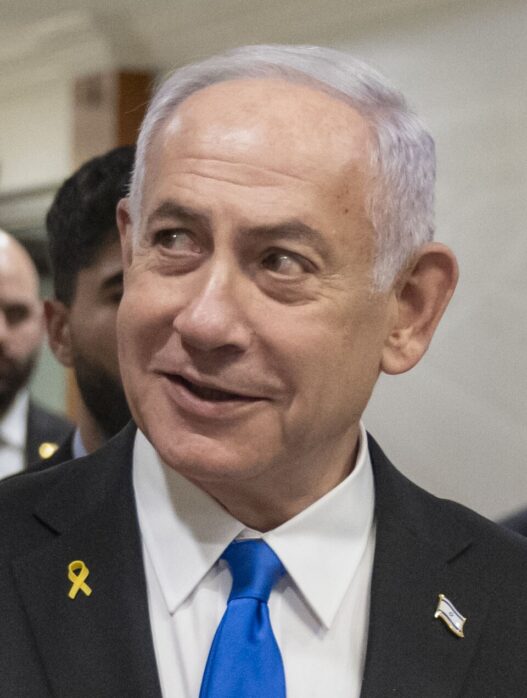
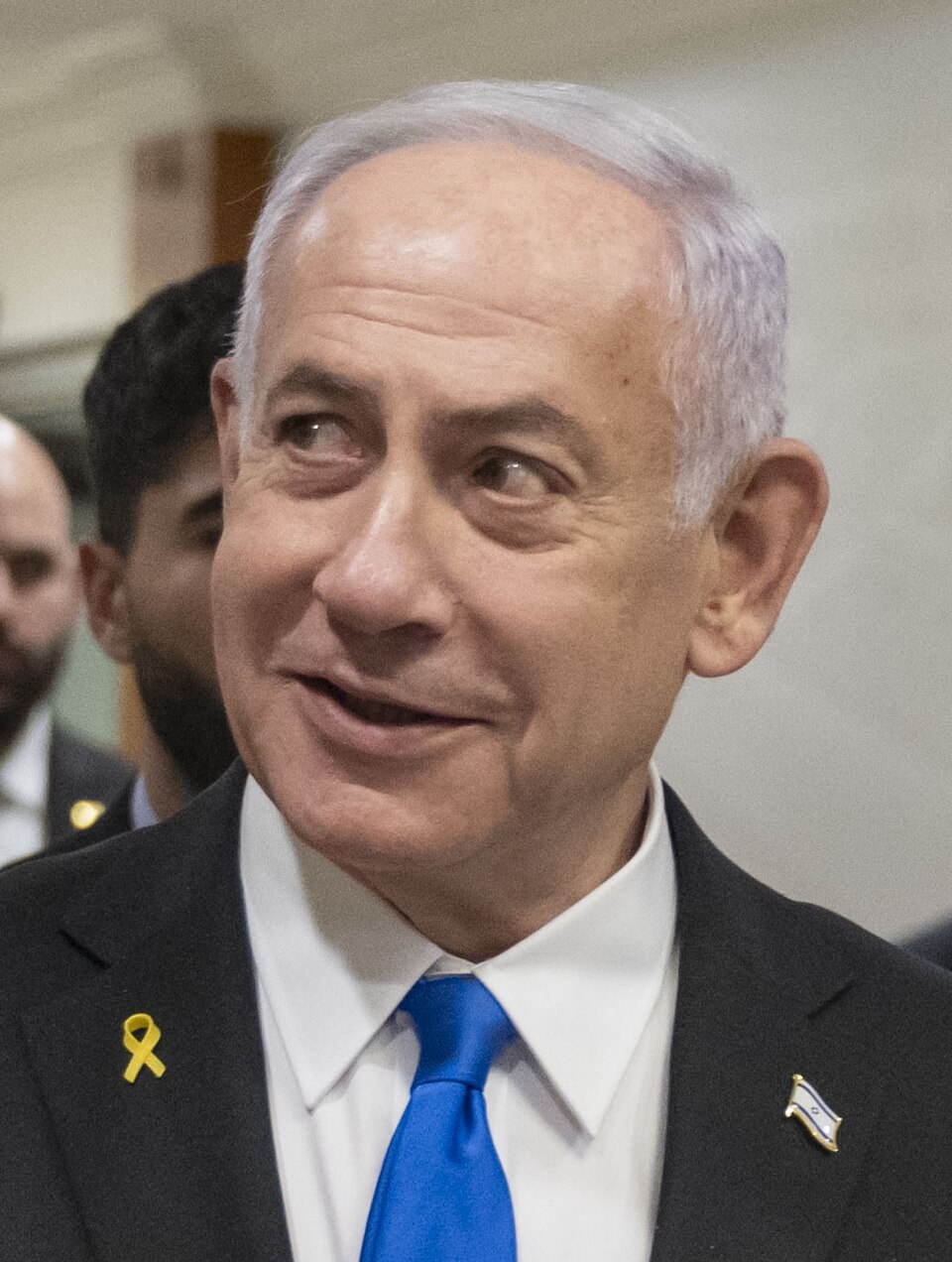
Prime Minister Benjamin Netanyahu’s Likud and its right-wing allies are facing an opposition led by former Israeli military chief Gadi Eisenkot and his Yashar party.
A change in leadership would obviously matter.
But Reuters reported Wednesday that regional policymakers and analysts broadly expect Israel’s post-October 7 security doctrine to survive regardless of which side forms the next government.
That doctrine increasingly centers on three ideas: confronting Iran, maintaining defensive depth beyond Israel’s borders and relying heavily on military deterrence.
The disagreement, analysts told Reuters, may therefore be more about how far and how fast Israel goes than whether it changes direction entirely. Reuters
That distinction matters.
A Netanyahu-led government backed by nationalist coalition partners could pursue a more openly aggressive strategy toward Tehran and take a harder line in the West Bank.
An opposition government might tone down some of the rhetoric, place more emphasis on rebuilding international relationships and operate with greater diplomatic restraint.
But analysts cited by Reuters argue that the fundamental assumptions driving Israeli security policy are unlikely to disappear.
October 7 Changed Israeli Politics
The political landscape Israelis are voting in today is radically different from the one that existed before Hamas’ October 7, 2023 attack.
Years of fighting involving Gaza, Lebanon and Iran have pushed national security to the center of Israeli politics and strengthened the argument that threats should be confronted before they grow.
Netanyahu recently described his preferred doctrine as placing greater emphasis on prevention and offensive action rather than containment.
But that thinking is no longer exclusively Netanyahu’s territory.
Michael Young of the Carnegie Middle East Center told Reuters that Israel’s security establishment and much of its political class now share a broadly similar strategic outlook toward Iran and military deterrence.
In other words, voters may replace the man directing the strategy without completely replacing the strategy itself.
Iran Is the Real Wild Card
That raises a much bigger question than the election campaign itself.
What happens if Israel’s confrontation with Iran becomes permanent?
Netanyahu has taken one of the hardest possible positions, arguing that Israel’s campaign should ultimately result in the fall of Iran’s clerical government.
But analysts interviewed by Reuters questioned whether military pressure alone can force Tehran to surrender what Iranian leaders consider vital national-security interests.
Iran could instead decide that surviving prolonged pressure is enough — betting that governments in Israel and Washington will eventually face political, economic or military limits of their own.
That would leave the region stuck in something far more dangerous than a single war: a recurring cycle of strikes, retaliation, proxy attacks and temporary pauses without an actual political settlement.
And that possibility does not disappear simply because Israel elects a different prime minister.
Trump Has Already Picked His Side
The Israeli election also carries a direct American political dimension.
President Donald Trump formally endorsed Netanyahu on October 18, calling him a strong wartime leader and throwing his support behind a longtime ally less than two weeks before Israelis vote.
Reuters reported that Trump praised Netanyahu’s role in confronting Iran while acknowledging that the Israeli race remains tight and coalition formation could be difficult. Reuters
That endorsement makes the election impossible to separate entirely from Washington.
A Netanyahu victory would likely preserve a familiar Trump-Netanyahu relationship built heavily around pressure on Iran.
An Eisenkot-led government could present itself differently abroad, but analysts see little evidence that Israel would suddenly abandon Iran as its principal strategic threat.
What Could Actually Change?
This is where the election matters.
Leadership determines tone, coalition partners, diplomatic priorities and how willing a government is to escalate.
A Netanyahu coalition strengthened by nationalist parties could push Israeli policy further to the right, particularly on settlements and military action.
An opposition victory could produce a less confrontational diplomatic style and potentially reduce some of Israel’s international friction.
Those are real differences.
But anyone expecting the October 27 vote to produce an Israeli government suddenly willing to reverse course on Iran may be watching the wrong election.
The most consequential question may not be whether Israelis choose continuity or change.
It may be how aggressive the next government is willing to become while pursuing a strategy that much of the Israeli political system already appears to accept.
And if that analysis is correct, the election could change Israel’s leadership while leaving the Middle East’s most dangerous confrontation firmly in place.