






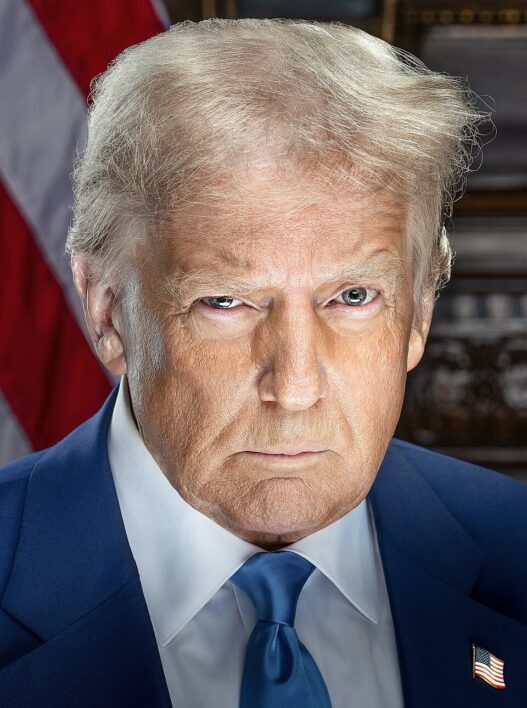
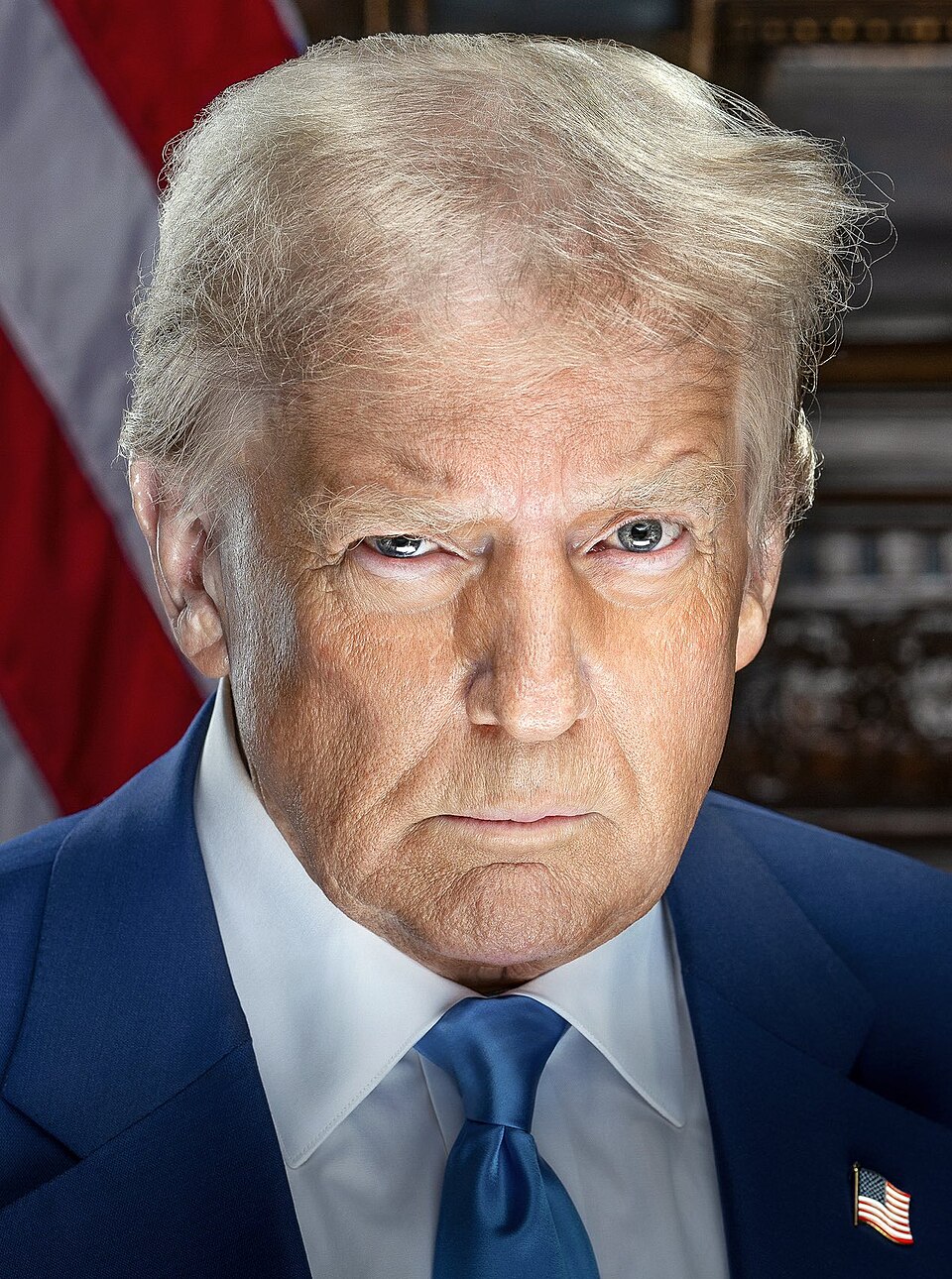
President Donald Trump returned to North Carolina on Tuesday night with a straightforward mission: get Republican voters to the polls before a midterm election that could dramatically reshape Washington.
Speaking for nearly two hours at Pitt-Greenville Airport on October 20, Trump campaigned alongside Republican Senate candidate Michael Whatley and highlighted two GOP House candidates facing competitive races, Laurie Buckhout and Jennifer Balkcom. Trump told the crowd he expects Republicans to outperform the polls, saying, “I think you’re gonna see some amazing results.”
But his visit also underscored just how much pressure Republicans are facing with Election Day on November 3.
Republicans currently hold 218 seats in the House compared with 214 Democrats, one independent and two vacancies. In the Senate, Republicans hold 53 seats, while Democrats hold 45 and two independents caucus with Democrats. Even a relatively small number of flipped seats could therefore change control of Congress.
And North Carolina has become one of the places where that battle is playing out in full view.
The Senate Race Republicans Can’t Ignore
The biggest statewide contest is the race to replace retiring Republican Sen. Thom Tillis.
Whatley, the former Republican National Committee chairman backed by Trump, is running against former Democratic Gov. Roy Cooper.
Recent polling has shown Cooper ahead. A SurveyUSA poll conducted October 7-11 for WRAL and WSOC-TV found Cooper at 54% among likely voters and Whatley at 40%, with a five-point credibility interval. Other recent surveys have also shown Cooper leading, although by varying margins.
The situation has become serious enough that the Senate Leadership Fund, a major Republican outside group, stopped spending in the North Carolina contest earlier this month. The Washington Post reported that tens of millions of dollars in planned advertising were canceled, although a Trump-linked nonprofit later put more than $2 million into the race.
Trump, however, is clearly not writing Whatley off.
“I’m the one that got him into this,” Trump told supporters Tuesday, according to the Associated Press. Trump also said he expects to return to North Carolina again before Election Day.
That makes the state an important test of something Republicans have relied on repeatedly: whether Trump can translate the enthusiasm of his own supporters into votes for other GOP candidates when his name is not on the ballot.
House Control Is Also in Play
The Greenville rally was not only about the Senate.
Trump specifically brought Buckhout and Balkcom onto the stage, telling supporters that both were expected to face close races.
Buckhout is challenging Democratic Rep. Don Davis in North Carolina’s 1st Congressional District. Davis narrowly defeated Buckhout in 2024, but the district has since been redrawn in a way that gives Republicans a stronger structural position.
Despite that change, the race remains highly competitive. Roll Call reported that Inside Elections rates the contest a toss-up, while more than $20 million in outside spending had already poured into the race by mid-October.
Reuters reported roughly $21 million in outside spending on the Davis-Buckhout contest since September 1, making it one of the country’s most expensive House races. Another $14.5 million has been spent by outside groups in the western North Carolina race between Balkcom and Democrat Jamie Ager.
Those numbers help explain why Trump is spending valuable campaign time in a state he carried in all three of his presidential campaigns.
Early Voting Is Sending Another Signal
Republicans are also watching North Carolina’s early-voting numbers.
More than 525,000 ballots had already been cast through October 18, according to reporting based on state election data, putting turnout well ahead of the same stage of the 2022 midterms. Registered Democrats had cast considerably more early ballots than registered Republicans at that point, while unaffiliated voters represented another large share.
That does not mean those ballots translate automatically into Democratic votes. Party registration does not reveal how someone actually voted, and North Carolina still has days of early voting remaining before Election Day.
But campaigns pay attention to turnout patterns for a reason.
For Republicans, Trump’s ability to activate voters who might otherwise stay home could matter as much as the speeches, television ads or national polling.
North Carolina Is Becoming a Midterm Stress Test
Trump’s Greenville appearance captures the unusual position Republicans find themselves in.
They control the White House and both chambers of Congress, but their House majority is extremely narrow. Democrats need only a handful of additional seats to change the balance of power, while the Senate map contains several expensive and closely watched contests.
North Carolina combines nearly every major element of the national fight: an open Senate seat, competitive House districts, massive outside spending, heavy early voting and Trump personally working to push Republican turnout.
The president appears convinced his voters can again outperform expectations.
The question hanging over Greenville is whether the Trump coalition shows up with the same force when Trump himself is not running.
November 3 will provide the answer.