





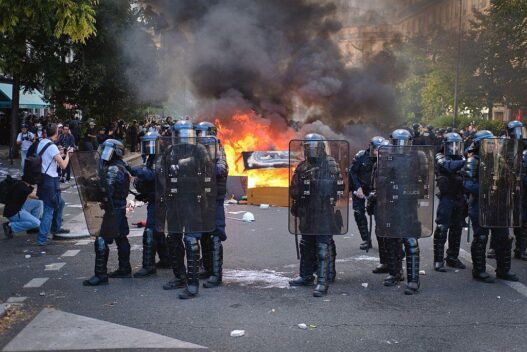
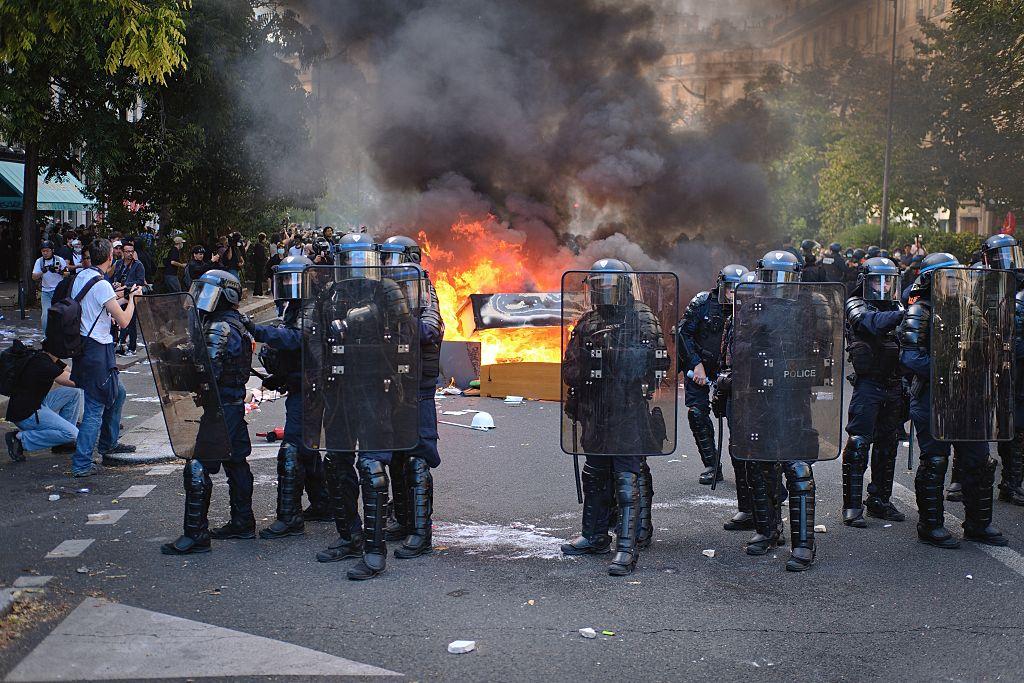
Paris is reeling after a weekend of violent riots, widespread looting, and clashes with police left businesses damaged, public buildings attacked, and French authorities facing serious questions about their ability to maintain order.
Now, France’s own interior minister has admitted what the scenes from the streets appeared to show: police lost control in parts of the country.
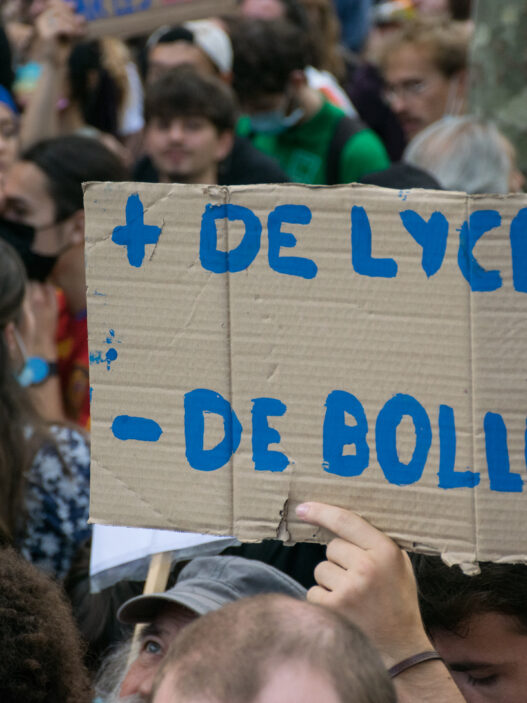
The unrest erupted Saturday, October 17, as hundreds of thousands of demonstrators took to the streets across France to protest rising living costs, deteriorating public services, and conditions in the country’s education system.
But what began largely as peaceful demonstrations descended into violence in several cities, including Paris, Marseille, and Lyon.
In the French capital, masked rioters confronted police, fires burned in the streets, and shops were broken into and looted. Officers responded with tear gas and water cannons as authorities struggled to contain the disorder.
French officials reported approximately 550,000 demonstrators nationwide on Saturday, including around 110,000 in Paris. Most participants protested peacefully, but groups involved in the rioting inflicted widespread. Euronews.
France’s Interior Minister Admits Police Lost Control
On Monday, Interior Minister Laurent Nuñez acknowledged that security forces had been overwhelmed during the unrest.
According to reporting by The Guardian, Nuñez cited inadequate preparation, intelligence failures, and insufficient police resources.
The admission came as the nationwide arrest count approached 2,400, while authorities reported nearly 1,000 police and gendarmes injured.
Approximately 60,000 security personnel had been deployed, but their presence proved insufficient to prevent attacks on businesses and public property.
Nuñez even offered his resignation to President Emmanuel Macron.
Macron refused to accept it, instead ordering a review of security failures and demanding changes to police operations. The Guardian
The admission raises an uncomfortable question for the French government: How did such a massive security operation fail to prevent the destruction?
Shops Looted, Historic Buildings Attacked
The destruction extended far beyond Paris.
In the central French city of Limoges, a devastating fire nearly destroyed the historic City Hall, causing its roof to collapse.
Across France, thousands of businesses were reportedly damaged, vandalized, or looted.
Paris experienced further violence on Sunday around Place de la République and the Les Halles district. The capital’s mayor, Emmanuel Grégoire, reported approximately 30 shops targeted that day and another 350 arrests overnight.
By Monday, protesters had also blocked access to the Louvre Museum, preventing it from opening as scheduled.
The museum blockade was linked to the broader student protest movement, which has been demanding improvements to education and criticizing police conduct. Euronews
Why Are the French Protesting?
The unrest did not emerge overnight.
France has experienced weeks of student demonstrations over teacher shortages, overcrowded classrooms, and deteriorating school infrastructure.
Those grievances eventually merged with wider anger over inflation, energy prices, public spending, and the cost of everyday necessities.
The protests have also revived comparisons with France’s Yellow Vest movement, which erupted in 2018 over fuel taxation and expanded into a broader challenge to Macron’s government.
While French authorities have blamed far-left militants and organized groups of looters for much of the recent violence, demonstrators have also accused police of excessive force during earlier protests.
French officials have opened investigations into alleged police violence, highlighting another controversial dimension of the crisis. AFP
Macron Faces a Political Test
The timing is especially difficult for Macron.
France is approaching its 2027 presidential election, and the unrest has intensified an already tense national debate over public safety, economic policy, and political leadership.
Right-wing political figures, including Marine Le Pen and Jordan Bardella, have criticized the government’s handling of the violence.
Meanwhile, some opposition voices argue that the administration has failed to address the economic and educational grievances motivating peaceful demonstrators.
Macron has condemned the destruction and demanded stronger security measures, while Prime Minister Sébastien Lecornu has proposed limited, localized curfews to help restore order. reuters
The distinction matters: hundreds of thousands of French citizens demonstrated over legitimate political and economic grievances, while smaller groups engaged in vandalism and looting.
Both realities are now confronting the French government.
The immediate challenge is restoring security without further inflaming tensions.
The larger question is whether France’s leaders can address the frustration driving the demonstrations before another weekend of protests turns violent.
And following the interior minister’s admission that police lost control, the government faces an additional demand: explaining why the authorities were so poorly prepared.