






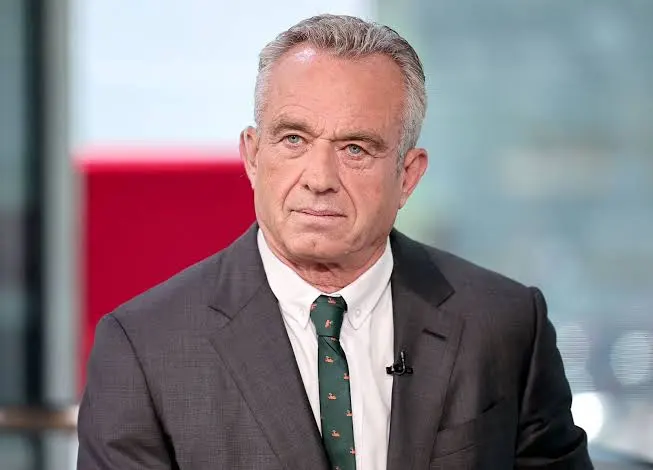
Health and Human Services Secretary Robert F. Kennedy Jr. is zeroing in on one of the biggest frustrations in American healthcare: patients often have no idea what they will be charged until the bill shows up.
That is the core of the RFK Jr healthcare pricing argument now gaining attention online.
In a widely shared message, Kennedy pointed to a stunning example. He said a hip replacement in Boston can cost $17,900 at one hospital and $74,000 at another hospital for the same surgery. He also cited research showing that MRI prices can vary by as much as ninefold within the same city.
For many Americans, that confirms what they already suspect: the system is not just expensive. It is also deeply opaque.
RFK Jr healthcare pricing message hits a nerve
Kennedy’s message did not stop at price differences.
He also highlighted an even more damaging claim. According to the post, one analysis found that 60% of insurer-negotiated hospital rates were higher than the hospital’s own cash price.
That is a serious charge.
After all, insurance companies are supposed to use their size and bargaining power to get lower prices for patients. However, if negotiated rates are sometimes higher than cash prices, that raises a basic question:
What exactly is the insurance company negotiating?
Kennedy put it in blunt terms.
He said the insurance company, which is supposed to be beating down the price for its members, may actually negotiate a price that is higher than what a person could get by simply walking in off the street and asking for the procedure.
Then he delivered the line that is now driving the debate:
“The whole system was corrupt. It was crooked.”
Why hidden prices matter
Kennedy also made a broader point that goes far beyond one surgery or one city.
“Markets cannot discipline prices that they cannot see,” he said.
That argument is hard to dismiss.
In a normal market, consumers compare prices before they buy. They can look at different options, weigh the value, and make a decision. In healthcare, that often does not happen. Prices are buried, negotiated behind closed doors, or revealed only after treatment.
As a result, patients are left guessing. Employers are left overpaying. Taxpayers also end up carrying part of the burden.
That is why price transparency has become such a major issue.
The bigger problem in American healthcare
The deeper problem is not just that healthcare is expensive. The bigger problem is that the pricing system often looks rigged from the start.
Hospitals, insurers, and middlemen operate inside a maze that most patients cannot navigate. Meanwhile, the people paying premiums every month are told the system is working for them.
Yet stories like this suggest something else.
They suggest that many Americans are stuck in a system where the real prices are hidden, the bills make little sense, and the so-called negotiated discounts may not even be real savings.
That is why Kennedy’s comments are getting traction.
They speak to a wider public frustration. Americans are tired of being told that high costs are unavoidable. They are also tired of a healthcare system that seems designed to confuse the people funding it.
What happens next
The political fight over healthcare transparency is not going away.
Kennedy’s remarks tap into a larger populist argument: if hospitals and insurers were forced to show real prices in plain English, many of the industry’s claims would fall apart very quickly.
That is also why this issue matters politically.
It is not only about healthcare policy. It is about trust, accountability, and whether powerful institutions have been gaming the public for years.
And if more Americans start asking what their care actually costs before they receive it, Big Insurance could face a level of scrutiny it has not seen in a long time.