







Michigan Democrats are heading into Election Day with the kind of problem campaigns normally spend months trying to avoid: one of their own just endorsed the Republican.
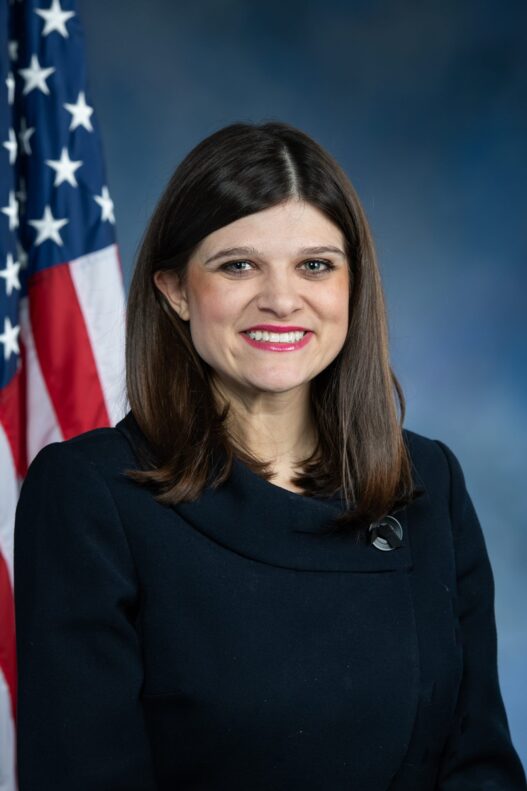
Rep. Haley Stevens, who narrowly lost Michigan’s Democratic Senate primary to Abdul El-Sayed in August, stunned party leaders Sunday by endorsing Republican nominee Mike Rogers — just two days before voters decide who will replace retiring Democratic Sen. Gary Peters.
Stevens didn’t simply refuse to campaign for El-Sayed. She appeared alongside Rogers at Detroit’s Perfecting Church and publicly announced that she would vote for him.
“Our Democratic nominee for Senate said I was no longer welcome in his campaign,” Stevens said in announcing the move. “And he’s right.”
For Republicans, it was an extraordinary late gift.
For Democrats, it exposed a fracture that party leaders had desperately tried to keep from spilling into public view before the November 3 election.
And underneath the personal feud is a much larger argument over Israel, Gaza and where the Democratic Party is heading.
The Democratic “Unity” Event That Never Happened

The timing makes the endorsement especially remarkable.
Stevens had originally been expected to appear Sunday with El-Sayed, Rep. James Clyburn and other Democrats at a Detroit-area church event designed to demonstrate party unity.
Instead, the reconciliation collapsed.
Rep. Debbie Dingell said she ultimately asked Stevens not to attend because the dispute surrounding her and El-Sayed had become too distracting. Hours later, Stevens was sitting beside Rogers at another church.
That was not where Democrats expected things to end.
Stevens had previously pledged to support El-Sayed after losing the primary, and as recently as days before the endorsement she publicly maintained that she would vote for the Democratic nominee.
The reversal was so abrupt that Stevens’ longtime chief of staff resigned, while other members of her congressional staff were also reported to be leaving. Michigan Democratic Party chairman Curtis Hertel declared that Stevens was no longer a member of the state party and Senate Democratic Leader Chuck Schumer called the endorsement a “despicable betrayal.”
This wasn’t a quiet disagreement anymore.
It was open warfare.
Israel Became the Breaking Point
The Stevens-El-Sayed divide dates back to their bitter Democratic primary, but Israel became the issue that repeatedly tore the wound back open.
Stevens has been one of the Democratic Party’s stronger supporters of Israel. El-Sayed, meanwhile, has sharply criticized Israel and U.S. policy toward the Gaza war.
Then came an advertisement from the progressive outside group Rebellion PAC.
The ad attempted to connect Americans’ high grocery costs with U.S. financial support for Israel. Stevens described the message as antisemitic and demanded that El-Sayed condemn it.
There is an important distinction here: the ad was not produced by El-Sayed’s campaign.
El-Sayed eventually stated plainly that he did not agree with its contents.
But by then, the dispute had become bigger than one advertisement.
Stevens’ fiancé, Jason Turkish, had already announced that he planned to vote for Rogers, citing El-Sayed’s rhetoric surrounding Israel. Stevens continued publicly supporting El-Sayed for several more days before ultimately making the same political break.
The fight highlights a problem Democrats have increasingly struggled to contain: their coalition includes strongly pro-Israel voters as well as a growing progressive movement deeply hostile to Israeli government policy.
Michigan may be where those tensions finally became impossible to hide.
Trump Could Barely Contain His Delight
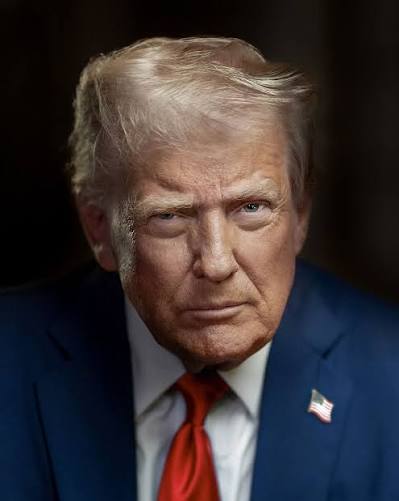
President Donald Trump quickly seized on the endorsement.
Trump praised Stevens’ decision as an act of “bravery” and highlighted her support among Black and Jewish voters — two groups that could matter considerably in a close Michigan contest.
At a campaign rally, Trump went even further, saying he would like Stevens to join the Republican Party.
Republicans have obvious reasons to amplify the story.
Stevens defeated El-Sayed in both Wayne County, which includes Detroit, and neighboring Oakland County during the Democratic primary. Those areas include Black, suburban and Jewish constituencies Democrats cannot afford to hemorrhage in a statewide race.
If even a modest number of Stevens supporters follow her across party lines — or simply decide not to vote for El-Sayed — Rogers could benefit.
But there is an important reality check.
A New York Times/Siena poll cited by Reuters on Monday showed El-Sayed leading Rogers 53% to 42%. Reuters also reported that El-Sayed’s campaign said it raised $1.2 million within four hours of Stevens endorsing Rogers.
So the endorsement does not automatically mean Republicans are about to capture the seat. It could even energize angry Democratic voters.
The real question is whether those statewide numbers fully capture the damage inside parts of the coalition Stevens once represented.
This Fight Is Bigger Than Haley Stevens
El-Sayed has attempted to move past the controversy, telling reporters that voters care more about issues such as prices and the cost of living.
Democratic leaders are trying to do the same.
But Stevens’ defection gives Republicans something much more useful than another attack ad: a sitting Democratic congresswoman telling Michigan voters that she cannot support her own party’s Senate nominee.
And this race matters well beyond Michigan.
The seat is currently held by Democrat Gary Peters, and keeping it in Democratic hands is considered critical to the party’s hopes of gaining Senate control during the final two years of Trump’s second term.
That means Democrats now have until Election Day on Tuesday, November 3, to convince voters that this is one politician’s personal break with the nominee rather than evidence of a deeper collapse inside the party.
Republicans will spend those same hours arguing exactly the opposite.
Either way, the carefully staged image of Democratic unity in Michigan is gone.
And voters now get the final word.